




About Us
Enterprise Overview
Development History
Culture and Strategy
Virtual Factory Tour
News Center
Products & Services
Products
油脂产品
瓶装油业务
油脂微胶囊粉
植物基蛋白
Services
Quality & Innovation
Quality Assurance
Technological Innovation
Global Supply Chain
Sustainability
Environmental Responsibility
Social Responsibility
Corporate Governance
Contact Us
Business Contact
Join Us
Language
中文
English
Nutritional Oils
Functional Oils
Cooking Oils
Cosmetic Oils
Pet Nutrition
Plant-based Protein Powders
Microencapsulated Oil Powders
Bottled Oils
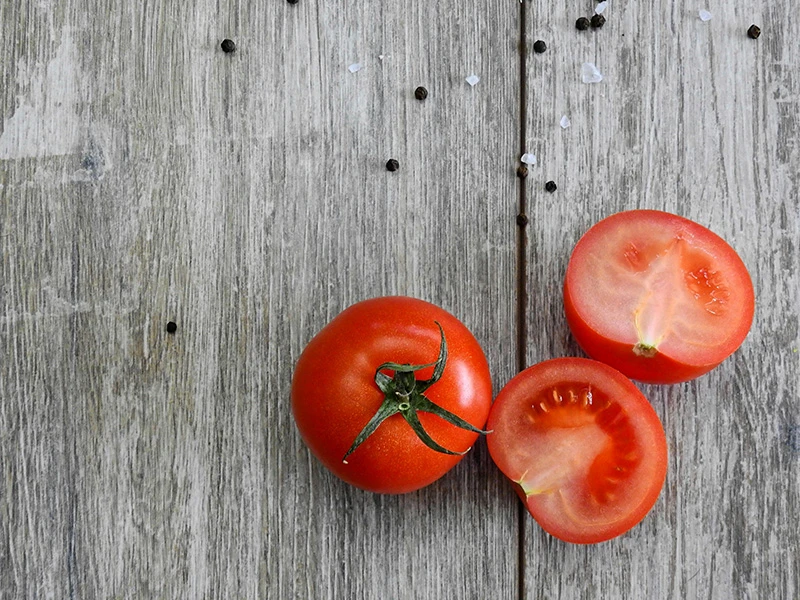
Tomato Seed Oil
Tomato seed oil is cold-pressed from the seeds of tomatoes (Solanum lycopersicum). Originating in South America, tomatoes are now widely cultivated in the Mediterranean region and China. Once discarded as waste, tomato seeds are now recognized for their rich lycopene and essential fatty acids, making the oil an innovative ingredient in high-end skincare and functional foods.
Details >
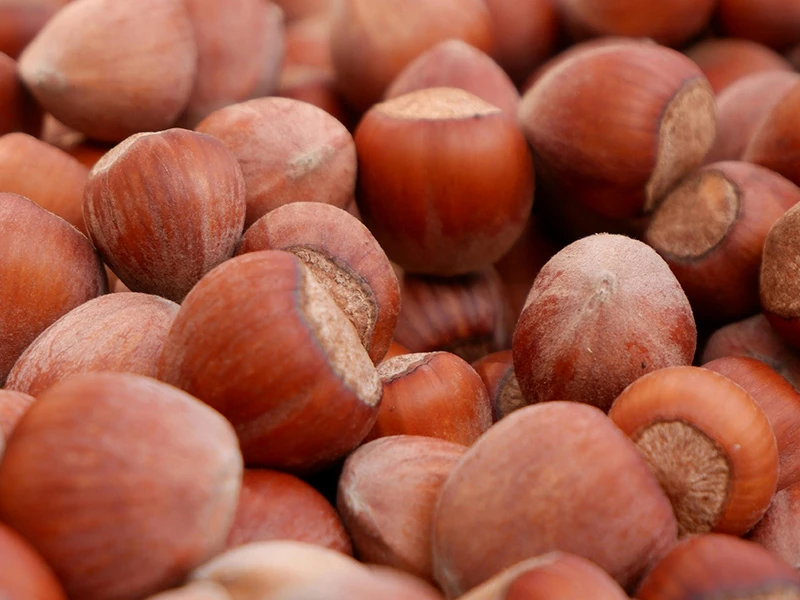
Hazelnut Oil
Hazelnut oil is obtained from the kernels of the hazelnut bush (Corylus avellana L.) . Native to Europe, West Asia, and the Caucasus region, hazelnuts were used in ancient Rome and Greece for skincare and medicinal purposes, and gained favor among European nobility during the Middle Ages as a natural emollient. Today, Turkey, Italy, and Spain are the primary global producers of hazelnut oil.
Medium Chain Triglyceride
Medium chain triglycerides refer to saturated fatty acids whose number of carbon atoms in the molecular structure is between that of short chain fatty acids and long-chain fatty acids. The main components of medium chain triglycerides are octanoic acid and decanoic acid glycerides. Compared with long chain fatty acids, their molecules are smaller, leading to faster metabolism and higher absorption efficiency. Medium chain triglycerides occur naturally in nature, but the content is relatively small, and they are mainly derived from palm kernel oil, coconut oil, etc. The preparation methods of medium chain triglycerides include enzymatic hydrolysis, esterification, and biosynthesis.
Diacylglycerol Oil
Diacylglycerol(DAG) is a type of lipid formed by the combination of two fatty acid chains with a glycerol molecule. It has two isomers, namely 1,3-diglyceride and 1,2-diglyceride. When triglycerides are digested and metabolized, they are hydrolyzed into free fatty acids and monoglycerides under the action of pancreatic lipase, and then absorbed by intestinal epithelial cells. Subsequently, triglycerides are resynthesized through the catalysis of lipases, and then enter the bloodstream via the lymphatic circulation. In contrast, diglycerides do not undergo resynthesis but are directly converted into energy. Therefore, diglycerides have a faster metabolic rate and a lower tendency for fat accumulation. Diglycerides are present in natural oils and fats and can also be prepared through enzymatic hydrolysis and esterification methods. In 2009, it was approved as a new food ingredient by China's Ministry of Health. The scope of use does not include infant food, and the daily consumption limit is ≤30 grams.
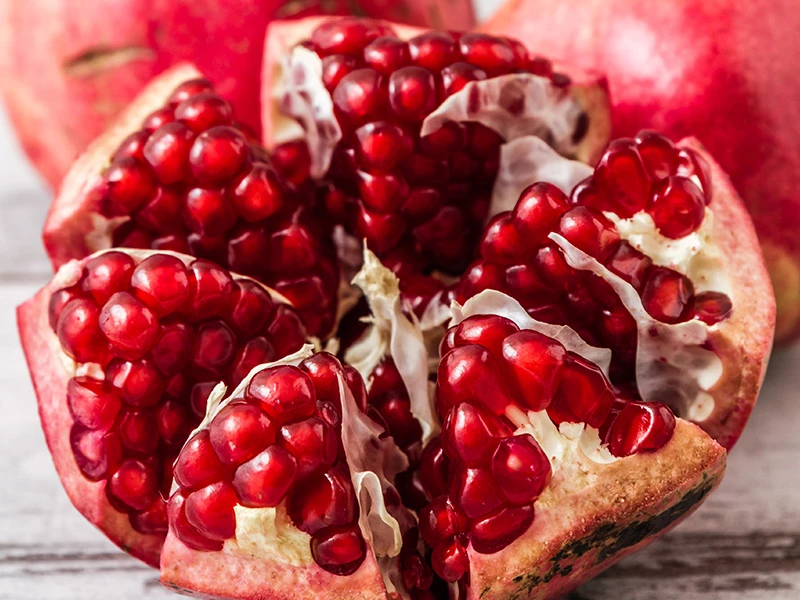
Pomegranate Seed Oil
Pomegranate seed oil(Punica granatum L.)is a product obtained by processing the seeds of pomegranate fruits. Pomegranate is one of the oldest known edible fruits. It originated in the Himalayas and the Mediterranean region and is mainly cultivated in tropical and subtropical countries and regions, such as India, Iran, China and the United States.